


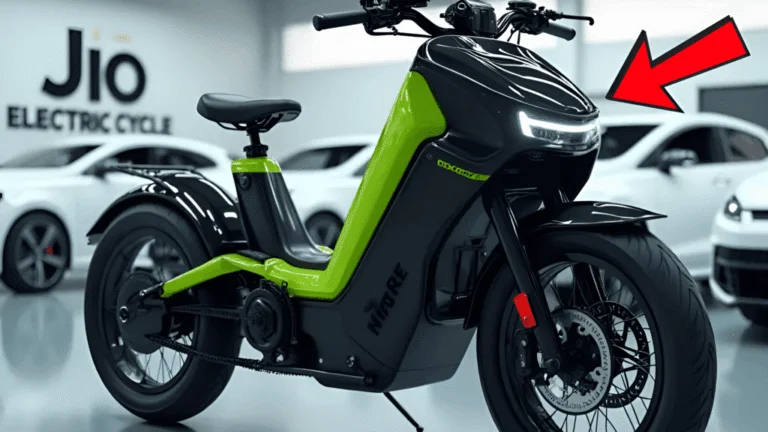
India’s electric two-wheeler segment is expanding rapidly, driven by rising fuel prices, government incentives, and increasing environmental awareness. Amid this transformation, the buzz around the Jio Electric Scooter has caught significant public attention. While official confirmations remain limited, expectations are high that Jio could enter the EV space with an aggressive pricing and technology strategy — similar to how it disrupted the telecom industry.
A Strategic Entry into Electric Mobility
If Jio steps into the electric scooter market, it will likely focus on three pillars:
- Affordability – Competitive pricing to target mass adoption.
- Technology Integration – Smart connectivity features powered by Jio’s digital ecosystem.
- Wide Accessibility – Strong distribution and service network across India.
Given Jio’s brand positioning under Reliance Jio, a mobility product would likely emphasize digital connectivity, data integration, and app-based control.
Based on market expectations, the scooter would likely feature:
- Sleek and modern bodywork
- LED lighting system
- Digital instrument cluster
- Comfortable dual seating
- Under-seat storage
Urban-centric styling would make it suitable for students, office commuters, and delivery riders.
Battery, Range & Performance (Projected)
Although official specifications are yet to be released, a competitive Jio scooter would typically aim for:
- Range: 100–150 km per charge
- Top Speed: 75–90 km/h
- Charging Time: 3–5 hours (standard home charging)
- Battery Type: Likely lithium-ion
This performance bracket would place it in direct competition with established EV players like Ola Electric, Ather Energy, and TVS Motor Company.
Smart Features & Connectivity
If aligned with Jio’s technology ecosystem, the scooter could include:
- Mobile app integration
- GPS tracking
- Anti-theft alerts
- Remote diagnostics
- Over-the-air (OTA) updates
Such features would position it as a “connected scooter” rather than just a traditional EV.
Pricing Strategy: The Real Game Changer?
Jio’s strength has always been aggressive pricing. If the scooter launches in the ₹70,000–₹90,000 range (post-subsidy), it could significantly pressure competitors and accelerate EV adoption across Tier-2 and Tier-3 cities.
Affordability combined with lower running costs (₹0.20–₹0.40 per km electricity cost vs petrol expenses) would make it highly attractive for middle-class households.
Market Impact in India
India’s EV penetration is still developing, but growth is strong. A large corporate entrant backed by Reliance’s infrastructure could:
- Boost consumer confidence
- Expand charging ecosystem
- Improve after-sales service reliability
- Push faster EV adoption nationwide
Final Analysis
At this stage, the Jio Electric Scooter remains largely speculative, but the market interest indicates strong demand for an affordable, tech-enabled electric two-wheeler. If executed strategically, Jio could replicate its telecom success in the mobility sector — bringing electric commuting within reach of millions of Indians.